
Exploring the historical evolution of gambling from ancient rituals to modern casinos
The Origins of Gambling in Ancient Civilizations
The practice of gambling can be traced back thousands of years to ancient civilizations. Archaeological evidence suggests that people in China were playing games of chance as far back as 2300 BC. These early forms of gambling often involved rudimentary games that utilized sticks or rudimentary dice. Similarly, ancient Egyptians also engaged in gaming, evidenced by drawings found in tombs that depict various games of chance. Today, you can enjoy modern betting through the Pin Up Bet App for sports betting, which offers various features to enhance your experience.
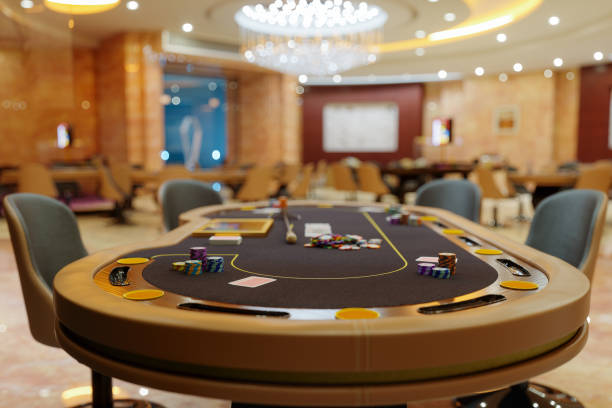
In ancient Rome, gambling was a common pastime among citizens, from the elite to the lower classes. Popular games included dice and betting on gladiatorial contests. These early forms of gambling were often tied to rituals or cultural practices, illustrating how deeply embedded this activity was in social life.
The Evolution of Gambling Practices Through the Middle Ages
As civilizations evolved, so did gambling. During the Middle Ages, gambling became a regulated activity in many regions of Europe. Authorities recognized the potential for revenue generation and began to impose taxes on gambling activities. This era saw the emergence of games like cards, which were introduced into Europe from Asia and quickly gained popularity.
The church played a dual role during this time; while it condemned gambling due to its association with vice, it also recognized the economic benefits it provided. Despite the regulations, gambling flourished, paving the way for the sophisticated gaming practices that would emerge in later centuries. The Pin Up Bet App reflects this evolution by offering an array of options for modern gamblers.
The Rise of Modern Casinos in the 18th Century
The 18th century marked a significant turning point in the evolution of gambling, particularly with the establishment of the first modern casinos. The Casino di Venezia, opened in 1638, is often regarded as the first official casino in the world. However, it was in the 18th century that casinos truly began to gain traction, with establishments in places like Paris and Monaco becoming the epicenters of gambling.
These venues provided a luxurious atmosphere, attracting the wealthy elite and fostering a new culture of gambling. The introduction of games like roulette and baccarat helped formalize gambling and set the stage for the lavish casinos we know today.
The Impact of Technology on Gambling
With the advent of technology in the 20th century, the landscape of gambling transformed dramatically. The introduction of electronic machines and, eventually, online gambling platforms revolutionized how people engage in betting activities. Slot machines emerged in the late 19th century, becoming a staple in casinos and altering the gambling experience for players.
The rise of the internet in the late 1990s opened up new avenues for gambling, leading to the establishment of online casinos that allowed players to place bets from the comfort of their homes. This accessibility has significantly broadened the demographic of gamblers, making it essential to promote responsible gambling practices in a digital age.

The Role of Responsible Gambling in Today’s Betting Environment
As gambling becomes more accessible through platforms like the Pin-Up Bet App, the importance of responsible gambling has never been more crucial. Education and awareness about the potential risks associated with gambling are essential for ensuring a safe and enjoyable experience. Many modern casinos and online betting platforms have implemented measures to promote responsible gambling, including self-exclusion programs and tools to set betting limits.
By prioritizing responsible gambling practices, both operators and players can contribute to a healthier gaming environment. This emphasis helps mitigate the risks associated with gambling while fostering a community of informed participants who can enjoy the thrill responsibly.


