
The evolution of gambling From ancient rituals to modern casinos
The Origins of Gambling
The practice of gambling dates back thousands of years, rooted deeply in ancient rituals and beliefs. Archaeological evidence suggests that early civilizations, including the Chinese, Egyptians, and Romans, engaged in various forms of betting. These activities were often linked to religious practices, such as casting lots or throwing dice, as a means of divining the will of the gods or predicting future events.
In many cultures, gambling was seen as a way to demonstrate bravery or skill, particularly in warrior societies. Games of chance were often played during festivals and gatherings, serving as entertainment while reinforcing social bonds. This early form of gambling laid the foundation for the structured games and betting systems we see today. best online pokies australia
The Transition to Formalized Games
The Middle Ages marked a significant evolution in gambling, with the emergence of formalized games and the establishment of laws regulating gambling activities. This period saw the introduction of cards and new betting games that became popular across Europe. The first gambling houses, known as casinos, appeared in Italy during the Renaissance, providing a controlled environment for players to engage in games of chance.
These early casinos laid the groundwork for modern gambling establishments, as they offered a variety of games and set the stage for a more organized approach to betting. As gambling grew in popularity, it began to attract a diverse audience, from nobility to common folk, further embedding it in the cultural fabric of society.
The Rise of Gambling in the 19th Century
The 19th century was a transformative time for gambling, marked by the establishment of iconic institutions such as Las Vegas and Monte Carlo. This era brought significant advancements in gaming technology, including the invention of the slot machine and various card games like poker and blackjack. The accessibility of gambling increased with the expansion of railroads, allowing more people to visit casinos and participate in gaming.
Additionally, this period saw the birth of legalized gambling in many regions, which helped regulate the industry and protect players. The introduction of betting on horse racing became immensely popular, leading to the establishment of racetracks and betting parlors, which contributed to the overall growth of the gambling industry.
The Digital Revolution and Online Gambling
Online gambling also introduced new features such as live dealer games and mobile betting, enhancing the user experience and making gambling more accessible than ever. This shift not only changed how people gamble but also expanded the global reach of the gambling industry, allowing players from different regions to engage with one another in real-time.
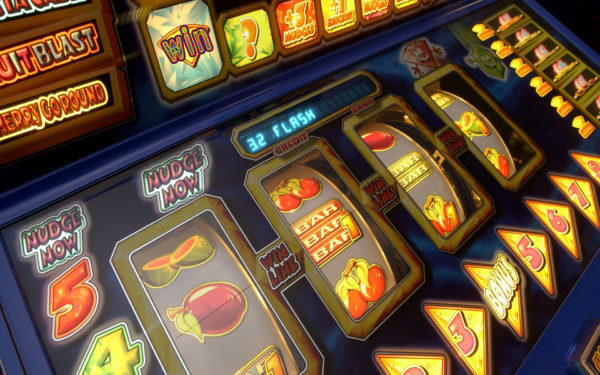
Exploring Modern Gambling Today
Today, gambling has evolved into a multi-billion dollar industry that encompasses a wide range of activities, from traditional brick-and-mortar casinos to cutting-edge online platforms. As technology continues to advance, so too do the methods of gambling, with innovations such as virtual reality and cryptocurrency becoming increasingly prevalent.
As players seek safe and enjoyable gaming experiences, licensed online casinos offer a variety of options tailored to different preferences. Comprehensive platforms provide detailed reviews, game guides, and information on the latest bonuses, ensuring that players can make informed choices in their gambling pursuits. The modern gambling landscape reflects a blend of tradition and innovation, appealing to both seasoned players and newcomers alike.


